Private Health Insurance Over 50 in Austria: Worth It?
Private health insurance over 50 in Austria: costs, acceptance chances, pre-existing conditions, key add-ons and the long-term care question assessed.
Advertising Notice: This article contains affiliate links to durchblicker.at. We receive a commission for contracts concluded through these links. The editorial selection and evaluation of the content is not influenced by this.
Direct Answer: Which supplementary health insurance is worth it in Austria after 50? For healthy 50-year-olds, private room insurance (around €110–140/month) often makes sense when shorter waiting times and free hospital choice matter. Those with pre-existing conditions are typically better served by an accident-only private room option (€15–25/month) or a private-doctor add-on with a deductible (€40–60/month). Long-term care provision becomes a separate topic at 50 but is not part of standard supplementary health insurance.
At a glance (TL;DR):
- Premiums rise sharply: At 50 you pay around €110–140/month for private room cover – roughly 60–100% more than a 30-year-old.
- Health questions get stricter: High blood pressure, type 2 diabetes and back issues frequently trigger surcharges or exclusions.
- Sensible building blocks after 50: private room with deductible, private-doctor add-on, dental, accident-only private room.
- Long-term care is its own product: standalone policy, not part of supplementary health insurance.
- Existing policies: raising the deductible or switching to a regional tariff can cut premiums by 30–40%.
Many Austrians first think seriously about private health insurance at 50. Knees creak on the stairs, the back complains, and suddenly a six-week wait for an orthopaedist looks less abstract. At the same time, the topic gets more complicated: premiums rise, the health assessment tightens, and not every insurer still accepts new applicants without surcharges.
This guide explains what private health insurance over 50 in Austria really costs, which building blocks still make sense in this stage of life and whether a late start can pay off. All premium examples are non-binding reference values that vary by insurer, health status and tariff choice. For the bigger picture, see our overview of private health insurance in Austria.
Life at 50: What Changes for Health Insurance
At 50, it's not just the body that changes – so does your insurance demand. Children are often out of the house, income is usually at its peak, and retirement is in sight. Three points become relevant now:
Higher demand for medical services. Screening exams, specialist appointments, perhaps the first planned surgeries – waiting times in the public system are no longer an abstract problem. Per the Österreichische Gesundheitskasse (ÖGK), screenings and colonoscopies are typically free of charge from 50 onwards. What isn't covered: short waiting times and free choice of doctor.
Audit of existing policies. If you took out a private room tariff at 30 or 40, at 50 it's worth checking whether the tariff still fits. Sometimes a higher deductible or trimming unused add-ons makes sense. More on that in the section on right-sizing existing tariffs below.
Long-term care becomes its own topic. Care dependency is statistically a mass phenomenon from age 75, but prevention should start much earlier. Private long-term care insurance is not part of standard supplementary health insurance – it's a separate product. The state benefit is the Pflegegeld (care allowance) – details via the Federal Ministry of Social Affairs (Sozialministerium).
Public vs. Private Health Insurance at 50: What's the Difference?
Every employee and pensioner in Austria is covered by the ÖGK as mandatory insurance. Self-employed people are insured with the SVS. The public system covers doctor visits, medications and hospital stays in the general class.
Those who want private room cover, shorter waiting times or a specific elective doctor need supplementary private insurance. The question at 50 is: is the public system enough, or is the premium worth it?
What the ÖGK Covers After 50
- Public-system doctor visits without copayment (deductibles possible for some services)
- Medications with prescription fee (currently ca. €7.10 per package, as of 2026)
- Hospital stays in the general class
- Screening exams from 50 (colonoscopy, general check-up) free of charge
- Rehabilitation upon application to the PVA
For many, this is enough. The ÖGK isn't a bad system. What it does not offer: free choice of doctor, short waiting times for specialist appointments, and single rooms in hospital.
When Supplementary Insurance Makes Sense After 50
- You want to choose your own surgeon
- You can't afford weeks of waiting due to work
- A single room after surgery matters to you
- You need services the ÖGK doesn't cover or covers only partially (e.g. specific dental treatments, alternative medicine)
More on monthly costs in detail in our dedicated guide. Those who are younger can find the case for starting early in our article Health Insurance at 30.
Premium Increase After 50: Why It Costs More Now
Premiums depend on three factors: entry age, health status and tariff choice. Insurers price the expected health costs over the remaining contract duration, and at 50 that calculation simply shifts upward.
| Entry Age | Monthly Premium (Private Room) | Additional Cost vs. 30-Year-Old |
|---|---|---|
| 30 years | approx. €70 | Reference |
| 40 years | approx. €85 | +21% |
| 50 years | approx. €110–140 | +57% to +100% |
| 55 years | approx. €140–180 | +100% to +157% |
| 60 years | approx. €180–250 | +157% to +257% |
The Health Assessment Becomes More Critical
At 50, many people already have pre-existing conditions. Insurers typically ask about diagnoses, treatments and medications over the last five to ten years. Don't omit anything – later corrections may give the insurer grounds to contest the contract, in the worst case voiding cover years later.
Common items in the health questionnaire:
- High blood pressure (medically treated)
- Type 2 diabetes
- Heart conditions
- Back problems with surgery history
- Mental health conditions (depression, anxiety)
- Cancer history
Possible outcomes:
- Standard acceptance for mild, well-controlled conditions
- Risk surcharge of 30–100%
- Exclusion of specific body regions or diagnoses
- Rejection for serious pre-existing conditions
A practical tip: submit applications to several insurers in parallel. Acceptance rules differ. What leads to rejection at one company may be accepted with a moderate surcharge at another.
Get Tariffs for Your Age Group
Find non-binding offers for your situation
Get free quotes at durchblicker.at
Advertisement – Affiliate link
Which Building Blocks Still Make Sense After 50
Not every add-on is equally useful at 50. The following ranking helps prioritise based on cost-benefit for most policyholders.
Block 1: Private Room with Deductible
Switching from a zero-deductible policy to a €1,000–2,000 deductible per case typically reduces premiums by 30–40%. It pays off if you've rarely used the policy in recent years and have a financial buffer. Detailed comparison: Private Room With or Without Deductible.
Block 2: Private Doctor Add-on
Covers private-doctor fees above public rates. Especially useful if you regularly visit specialists and need shorter waiting times. Premiums from approx. €40–60/month.
Block 3: Dental Add-on
Dental implants, crowns and prosthetics are only partly reimbursed by the ÖGK. Dental cover becomes more relevant from 50 because the probability of needing dental work rises. Premiums: from approx. €20–40/month, depending on scope. Note: many tariffs have waiting periods of 6–12 months and benefit caps in the early years.
Block 4: Accident-Only Private Room (Option Tariff)
The Option Tariff Private Room After Accident is the most popular alternative for people with pre-existing conditions. You get private room treatment for accidents only, not for illnesses. No or simplified health check, premiums from approx. €15–25/month. Downside: no cover for illness or planned surgeries.
Block 5: Vision and Aids
Glasses, contact lenses and orthopaedic insoles only receive small subsidies from the ÖGK. A supplementary policy covers a larger share. From 50, most people need progressive lenses, which can quickly cost €500–800.
The Long-Term Care Question: What to Know at 50
Long-term care provision is not part of standard health insurance – it's a separate product. Age 50 is a sensible time to address it: premiums are still manageable, and the health check is usually feasible.
State Cover: Pflegegeld (Care Allowance)
Austria pays a statutory care allowance ranging from €192.00 to €2,061.80 per month depending on care level (as of 2026, source: Sozialministerium). For residential nursing care, this is far from sufficient. A nursing home place in Austria costs €3,500–6,000 per month. The gap must be covered from personal assets, pension or family contributions.
Private Long-Term Care: Three Models
Care annuity policy. Pays a monthly annuity in case of care dependency, regardless of actual costs. Premiums depend on entry age and rise sharply with age.
Care cost reimbursement. Refunds actual care expenses up to an agreed maximum. Pro: precise cost coverage. Con: detailed proof required.
Care daily allowance. Pays a fixed daily rate, similar to an annuity, often combinable with other building blocks.
When It Still Pays Off at 50
- You're largely healthy and can pass the health check
- You have no significant assets earmarked for care
- You don't want family members financially exposed by your care costs
- You can plan long-term and budget for annual premium increases
An honest assessment: if you've built up substantial assets by 50, a dedicated care savings plan is often cheaper than a care annuity policy. Those without reserves protect themselves and their family against the financial risk. Independent advice is available from a licensed insurance broker or the Chamber of Labour (AK).
Private Room and Private Hospitals: What to Expect After 50
Those taking out private room cover usually expect two things: a single room and free choice of doctor. In reality, this varies by federal state and hospital. Vienna has several private hospitals – such as Privatklinik Döbling, Goldenes Kreuz or Rudolfinerhaus – that almost exclusively admit private-room patients.
In public hospitals, private room cover usually means: single or double rooms in a separate private-room ward, free choice among consultant doctors, separate reception. The medical standard is fundamentally the same across Austria; differences relate to comfort, waiting times and staff attention. If you regularly plan private room services, our guide Is Private Room Insurance Worth It? provides more detail.
Three Situations Where the Late Start Pays Off
Scenario 1: You're largely healthy at 50. That's the best starting position. Without significant pre-existing conditions you usually get standard acceptance without surcharges. Your health status is essentially frozen at entry. If you receive a diagnosis three years later, that condition is still fully covered.
Scenario 2: Surgeries or frequent specialist visits are foreseeable. If it's likely you'll need medical services in the coming years – e.g. hip or knee replacement, regular specialist appointments – the policy can pay off quickly. For reference: a private hip surgery in Austria costs €15,000–25,000, a knee surgery €8,000–15,000, a single private MRI scan €350–500.
Scenario 3: Waiting times in the public system are unbearable. Public-system waits in Austria are long in many specialties: orthopaedist appointments often 6–8 weeks, MRI 8–12 weeks, hip surgery (elective) 6–12 months. With private insurance these times shrink to days or a few weeks.
Right-Sizing Existing Tariffs
Not everyone needs to start fresh. If you've held private room cover for decades, at 50 it's worth checking where over-specified benefits cost money unnecessarily. Three levers are particularly effective.
Lever 1: Raise the Deductible
Moving from €0 to a €1,500 deductible per case typically cuts the premium by 30–40%. Especially worthwhile if you've used few benefits recently. Caveat: some insurers require a renewed health check when changing tariffs. Clarify in advance with your insurer.
Lever 2: Regional Tariff Instead of Austria-Wide
Some insurers offer tariffs valid only for hospitals in your federal state. Savings: roughly 10–20%. The downside: restricted hospital choice. For many policyholders who only ever use regional facilities, this is acceptable.
Lever 3: Tariff Without Private Doctor Component
Pure private room tariffs (hospital only) are cheaper than combined tariffs that also include private-doctor benefits. Decide what matters more – the single room in hospital or private-doctor access for daily care.
Tax Aspects
Premiums for health insurance used to be deductible as special expenses in Austria. This rule (Topf-Sonderausgaben) was phased out for contracts from 2016 and now only applies to people born before 1955. Self-employed individuals may, under certain conditions, deduct insurance premiums as business expenses. Consult a tax advisor – more background at the Federal Ministry of Finance (BMF).
Three Practical Examples
Example 1: Employee, 52, Healthy
Mr M. is 52, employed, with no significant pre-existing conditions. He wants shorter waiting times for specialist appointments and a private room in hospital.
- Tariff: Private room without deductible
- Premium: ca. €130/month
- Annual cost: ca. €1,560
- Result: Standard acceptance without surcharges
Over 20 years of cover until 72, total cost is around €31,200. Set against this: a single private hip surgery (€15,000–25,000).
Example 2: Self-Employed, 55, with Pre-existing Conditions
Ms K. is 55, self-employed (SVS), with well-controlled high blood pressure and a back surgery three years ago.
- First application (Insurer A): Rejected due to back surgery
- Second application (Insurer B): Accepted with spine exclusion and 40% risk surcharge
- Premium: ca. €195/month (incl. surcharge)
- Alternative: accident-only private room at another insurer for €22/month
She chooses the accident-only cover and sets the difference aside privately for planned procedures.
Example 3: Pensioner, 63, Switch Plans
Mr B. is 63, retired for a year, and wants to switch from a private-doctor policy to a private room cover.
- Issue: New application at 63, full health check required
- Diagnoses: Mild type 2 diabetes, high blood pressure
- Result: 60% risk surcharge, premium ca. €280/month
- Decision: Keeps the private-doctor policy (€75/month) and saves the difference privately
More on switching: Switching Health Insurance in Austria.
Health Insurance in Retirement: What Changes
Anyone retiring in Austria stays insured. The contribution is deducted directly from the pension. The rate for pensioners is approx. 5.1% of gross pension (as of 2025/2026, source: Dachverband der Sozialversicherungsträger).
What You Should Know
- Statutory health insurance (ÖGK) continues automatically in retirement
- Private supplementary policies must be paid by you
- Premiums for private cover continue to rise with age
- Prescription fee waivers are possible at low income (single threshold approx. €1,217 net/month, as of 2025)
- Self-employed people have specific SVS rules – see our SVS guide for the self-employed
Keep Private Insurance in Retirement?
Two questions decide:
First: can you afford the premium from your pension? Expect annual increases. Someone starting at 50 with €130/month may pay €200 or more by 70.
Second: do you actually use the policy? If you've not been in hospital for ten years and don't expect major procedures, it may be smarter to set the money aside and pay for treatments out of pocket if needed.
Get Offers for Your Situation
Request several insurers at once and weigh the conditions
Get free quotes at durchblicker.at
Advertisement – Affiliate link
Checklist Before You Apply
If you decide on private health insurance after 50, prepare carefully.
Before applying:
- Document current pre-existing conditions and diagnoses
- Collect medical reports from the last 5–10 years
- Prepare a medication list
- Note previous hospital stays
- Budget long-term (premiums rise annually)
- Note waiting periods (3–9 months after contract start)
- Check cancellation notice for existing policies
When signing:
- Get offers from at least three insurers
- Run the numbers on deductible options
- Watch for benefit caps in the first years
- Read premium-adjustment clauses in the fine print
- Examine exclusions and restrictions closely
Frequently Asked Questions
Is Supplementary Health Insurance After 50 Worth It in Austria?
It depends on your health status, budget and expectations of the system. Healthy 50-year-olds who value shorter waiting times or private rooms benefit most. With existing conditions, surcharges or exclusions are common, and an accident-only option tariff is often the more economical alternative.
Which Insurers in Austria Accept 50-Year-Olds?
All major Austrian insurers offer tariffs for this age group. Maximum entry age for full private room cover is typically 60–65. Accident-only cover is often possible up to 70+. Acceptance rules differ between insurers; an overview is available via the Financial Market Authority (FMA) and the Austrian Insurance Association (VVO).
Is There an Age Limit?
Yes. Most insurers cap entry age for full private room cover at 60–65. Accident-only and specific add-ons (e.g. private-doctor) often extend higher. After 65 a new full policy becomes hard to secure.
Should I Still Get Long-Term Care Insurance at 50?
Yes, if you're largely healthy and don't have substantial assets earmarked for care. The state Pflegegeld of €192–€2,062/month doesn't cover residential nursing costs of €3,500–€6,000/month. If you have assets, a dedicated savings plan can be cheaper than an annuity policy.
What If My Application Is Rejected?
Try another insurer – acceptance rules differ. Alternatives include accident-only private room, private-doctor cover without private room, or group cover via your employer. Wait at least six months before re-applying at the same insurer.
Can I Get Cover with Diabetes or High Blood Pressure?
Often yes. Well-controlled high blood pressure or stable type 2 diabetes typically trigger a 30–60% risk surcharge at some insurers rather than outright rejection. Conditions vary widely; get multiple offers.
Are the Premiums Tax-Deductible?
For contracts from 2016 onward, health insurance premiums are no longer deductible as special expenses (Topf-Sonderausgaben phased out for those born from 1955). Self-employed individuals may deduct premiums as business expenses under certain conditions. Consult a tax advisor.
Conclusion: An Honest Assessment
Taking out private health insurance at 50 in Austria is possible and can make sense – but it's no longer automatic.
The arguments in favour: healthy 50-year-olds get reasonable conditions, the waiting-time advantage is meaningful, and a single major surgery can offset several years of premiums.
The arguments against: premiums are higher than at an earlier entry, pre-existing conditions lead to surcharges or exclusions, and costs run for life.
Our advice: do an honest stock-take. How is your health? What can you afford long-term? What do you expect from the healthcare system? Then collect concrete quotes rather than relying on averages.
If you decide to go ahead: don't wait. Every year that passes makes entry more expensive.
Related Articles:
- Private Health Insurance Austria – Main Page
- Is Private Room Insurance Worth It?
- Switching Health Insurance in Austria
- Option Tariff Private Room After Accident
- Health Insurance at 30
- Monthly Costs of Private Health Insurance
Sources and Further Reading:
- Österreichische Gesundheitskasse (ÖGK) on benefits and contributions
- SVS – Social Insurance for the Self-Employed on self-employed tariffs
- Federal Ministry of Social Affairs (Sozialministerium) on Pflegegeld
- Austrian Insurance Association (VVO) on private health insurance market data
- Financial Market Authority (FMA) on insurer supervision
- Chamber of Labour (AK) for independent policyholder advice
Disclaimer: The information in this article is for general guidance and does not constitute insurance, tax or legal advice. All premium and benefit figures are non-binding example values and may change. For a binding offer, contact a licensed insurance advisor or the insurer directly. For tax questions, consult a tax advisor.
CheckEverything.at Editorial Team
Editorial Team
The CheckEverything.at editorial team produces independent guides on insurance, finance, energy and mobility in Austria. The content draws on Austrian Tier-1 sources such as AK, FMA, OeNB and E-Control.
More about the editorial team →Disclaimer and Legal Information
No Financial or Legal Advice: The information provided on this website is for general information purposes only and does not constitute financial, legal, or tax advice. It does not replace individual consultation with a professional expert.
No Warranty for Accuracy and Timeliness: Despite careful research, we cannot guarantee the completeness, accuracy, and timeliness of the information. Prices, terms, and services may change at any time. Please verify all information directly with the respective provider.
No Recommendations: The mentioned products, services, or providers do not constitute a personal recommendation. The selection was made for informational purposes. Every decision is your own responsibility.
Liability Disclaimer: We assume no liability for damages or losses that could arise from the use of the information provided. This applies in particular to financial decisions based on this information.
External Links: For content of external websites we link to, their operators are exclusively responsible.
Information as of: February 5, 2026. All information without warranty. Changes and errors excepted.
Related Articles

e-card Fee Austria 2026/2027 | Prescription Charge & Cap
The e-card fee Austria charges rises to €26.85 in 2027; the prescription charge stays at €7.55 per pack in 2026. Exemptions, the 2% cap, refund steps.

Travel Health Insurance Austria 2026: Costs & Cover
Travel health insurance in Austria: what the e-card doesn't cover abroad, what a policy costs, and when it's worth it. Compare offers now.

Credit Card Travel Insurance Austria 2026: What Applies
Credit card travel insurance in Austria: which cards often include cover, what's typically included, and when a standalone policy makes sense.

Legal Protection Insurance Austria 2026: Complete Guide
Legal protection insurance Austria: private, work, traffic and housing modules, waiting periods, exclusions. From €6/month — how to choose correctly.

Health Insurance for Students in Austria 2026
Health insurance students Austria 2026: family cover to 27 (ASVG § 123), ÖGK self-insurance €78.84/month, EU students EHIC, third-country mandatory cover.
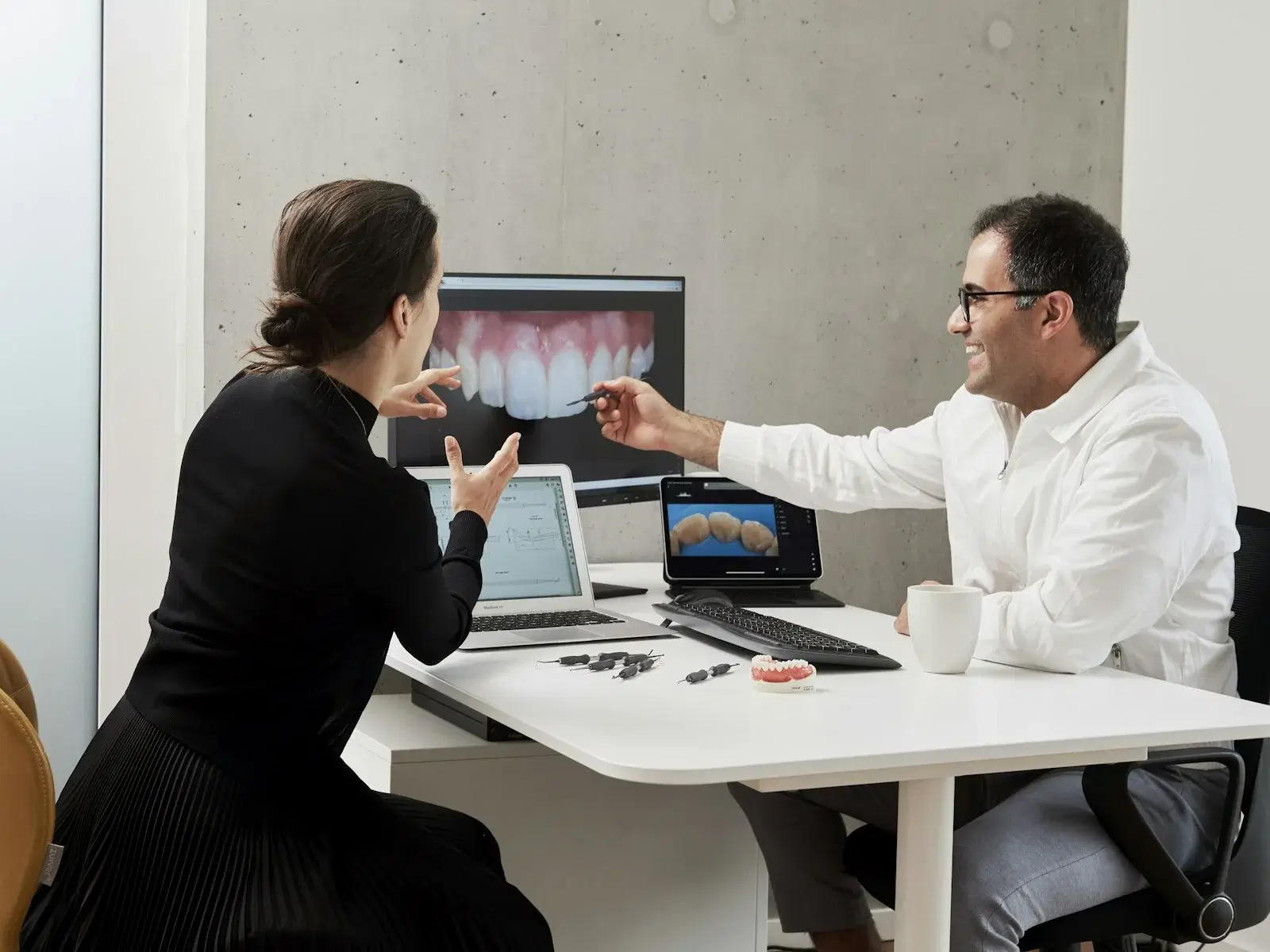
Dental Insurance Austria 2026: Expat-Ready Guide
Dental insurance in Austria 2026: what ÖGK covers, expat options, costs, waiting periods, and when a supplementary policy pays off.