Tires in Austria 2026
Summer, winter and all-season tires — explained. Learn to read sidewall codes, understand §4a KFG requirements, and find the right tires.
Browse Tires at Reifen.at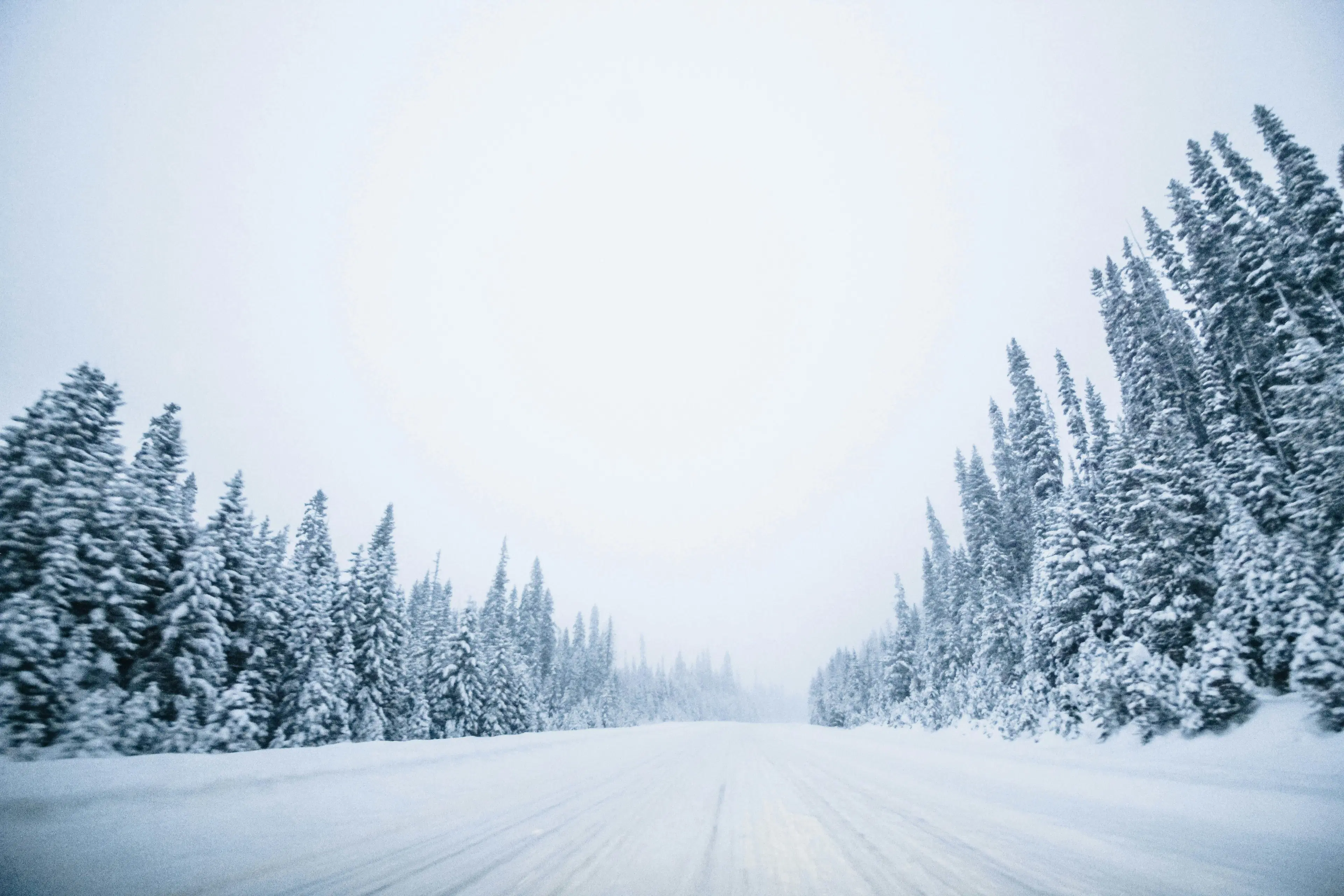
What you need to know
- ❄️ Winter tire rule: Nov 1 – Apr 15, but only when snow or ice is actually on the road
- 💰 Fines start at €35, can hit €5,000 per §4a KFG
- 🔤 Sidewall codes (like 205/55 R16 91H) decode width, profile, speed rating — explained below
- 🔄 All-season tires are a compromise. For alpine conditions, dedicated winter tires win every time
- 🛒 Reifen.at delivers across Austria and partners with workshops in every federal state
Austrian law demands winter tires from November 1 to April 15 whenever roads are snow-covered or icy. But picking the right tires is about more than just checking a legal box. This guide walks through the three tire types, explains how to decode the numbers on your sidewall, and covers what Austrian drivers actually need to know before buying.
The Three Main Tire Types
Summer Tires
Summer tires work best when temperatures stay above 7°C. The rubber compound stays flexible in heat, and the tread pattern pushes water away to reduce hydroplaning risk. For most drivers in Vienna, Graz, and the lowlands, summer tires go on around mid-April and stay on through October.
What you are getting: Better wet and dry braking above 7°C. Tread pattern designed to clear water. 4–6 mm tread depth (legal minimum is 1.6 mm, but that is far too low for safety). Stiff sidewalls for precise steering.
Winter Tires
Winter tires are built for cold, snow, and ice. The rubber stays soft at low temperatures where summer compounds go rigid. The tread has more sipes — those small cuts — to bite into snow and ice.
The law is straightforward here. From November 1 to April 15, vehicles must have winter tires equipped when road conditions demand it.
What the law actually requires (§4a KFG): At least 4 mm tread depth. An M+S, M&S, or 3PMSF marking on the sidewall. All-season tires qualify, but only with one of these markings.
Get it wrong and you are looking at €35 for a routine stop. Cause an accident with inadequate tires and you are looking at up to €5,000 plus potential criminal and civil liability. ÖAMTC also warns that your insurance may refuse to pay out if you had an at-fault accident without proper winter tires fitted.
All-Season Tires
All-season tires carry the M+S marking and increasingly the 3PMSF symbol too. They try to deliver acceptable performance across a wide temperature range, which makes them popular with drivers who want to skip twice-yearly tire swaps.
Here is my take on them: for Vienna, Linz, or Graz drivers who occasionally hit wintry roads but rarely venture over alpine passes, all-season tires are a reasonable middle ground. But if you are driving in Tyrol, Carinthia, or Salzburg on a regular basis — especially on motorways in heavy snow — dedicated winter tires are worth the twice-yearly changeover. ÖAMTC and ARBÖ both flag that all-season tires consistently fall short of dedicated winter rubber in true alpine conditions. I think that assessment is fair.
How to Read Your Tire Sidewall
Every tire has a standardised code on the sidewall that tells you its dimensions and capabilities. The numbers look cryptic at first, but the sequence is consistent across every brand.
Example: 205/55 R16 91H
- 205 = Width in mm (tire width from sidewall to sidewall)
- 55 = Profile ratio (%) (sidewall height as % of width — 55% of 205 mm ≈ 113 mm)
- R = Radial construction (almost all modern tires use radial)
- 16 = Rim diameter in inches (matches your wheel rim size)
- 91 = Load index (maximum load capacity — 91 = 615 kg per tire)
- H = Speed rating (maximum sustained speed — H = 210 km/h)
Find your exact spec on the sticker inside the driver's door frame, in your Zulassungsschein, and in the owner's manual.
Legal Requirements in Austria
Austria's tire rules are in §4a KFG. Here is what every driver must know:
- Seasonal obligation: November 1 – April 15. When snow, slush, or ice is on the road, winter tires are mandatory.
- Minimum tread depth: 4 mm for winter tires, 1.6 mm for summer. Check before each winter season.
- Approved markings: M+S, M&S, or 3PMSF. Any of the three satisfies the law.
- Studded tires: Permitted from October 1 to May 15. But many Austrian cities restrict them — Vienna does, for example.
- Snow chains: Can replace winter tires on at least two drive wheels, but only where the road surface allows them.
Fines (Kuratorium für Verkehrssicherheit / KFV): €35 for a stop without obstruction. Up to €5,000 if you block traffic or cause a crash. ÖAMTC also emphasises that your insurance may refuse to pay out after an at-fault accident if you were driving without proper winter tires. These rules sit in §4a KFG 1967 (situational obligation) and §4 Abs.7 KFG 1967 (1.6 mm tread depth minimum).
Price Comparison by Category
Winter Tires
Winter tire price comparison for Austria. Requirements & best deals.
Learn MoreSummer Tires
Buy summer tires at the best prices. Top brands compared.
Learn MoreWheels
-20%Alloy & steel wheels up to 20% off. All sizes available.
Learn MoreMotor Oil
-40%Motor oils from Castrol, Mobil 1, Shell & Liqui Moly up to 40% off.
Learn MoreCurrent Offers on Reifen.at
Wheels
Discount up to 20%Premium wheels in all sizes and designs. Alloy and steel wheels with price comparison.
View ProductsMotor Oil
Discount up to 40%Brand motor oils from Castrol, Mobil 1, Shell and Liqui Moly for optimal engine performance.
View ProductsVan Tires
Discount up to 30%Robust tires for vans and delivery vehicles from top brands.
View ProductsAll Tires
Winter tires, summer tires, all-season tires - all categories at Reifen.at
View ProductsAffiliate disclosure: We may earn a commission on purchases made through links marked sponsored. Prices and availability may change.
Why Reifen.at?
Best Prices
Over 200 million offers from hundreds of dealers
Safe Shopping
Only verified and reputable dealers
Top Brands
Continental, Michelin, Pirelli, Bridgestone
Our Guides

NoVA Calculator Austria 2026/2027: Car Tax Explained
Calculate Austria's NoVA car tax for 2026 and 2027: formula, CO2 deduction 91 or 88 g/km, malus over 155 g/km, exemptions and the expat export refund.
Learn More →
Alloy Wheels Austria 2026: Costs, Parts & Buying Used
What alloy wheels really cost in Austria: a July 2026 price sample, TPMS sensors, wheel bolts and centring rings, plus what to check when buying used.
Learn More →
Austria Vignette 2026/2027: Prices, Where to Buy & Tolls
Austria Vignette 2026: annual EUR 106.80, 10-day EUR 12.80. Car, motorcycle, trailer rules plus Brenner and Tauern tolls. ASFINAG sources, May 2026.
Learn More →
Wheel Rims Austria 2026: Registration, ET & Alloy vs Steel
Registering wheels in Austria: when you must have them entered, which rims stay approval-free, official fees, ECE 124, and what the §57a Pickerl checks.
Learn More →
Winter Tires Austria 2026: Rules, 4 mm Tread & Penalties
Winter tires Austria 2026: situational obligation 1 Nov–15 April (KFG § 102 Abs. 8a), 4 mm minimum tread, M+S phase-out, 3PMSF and fines up to €5,000.
Learn More →
Motor Oil Guide Austria 2026: Viscosity & Oil Change
Motor oil guide for Austria: 5W-30 vs 5W-40, change intervals according to ARBÖ, and how to pick the right oil. Updated April 2026, with Austrian sources.
Learn More →