Electricity Grid Fees Austria 2027 | CheckEverything.at
Electricity grid fees Austria 2027: a new capacity charge is planned. E-Control examples show who pays more, who saves, and how to cut your energy price.
26 Jul 2026Read the guide
Electricity, gas, heating costs and switching providers — practical guidance for 2026.
By CheckEverything.at Editorial Team · Updated 27 May 2026
Austria liberalised the electricity and gas market in 2001 — you can switch suppliers freely, but your grid operator is fixed by your address. The Strompreisbremse subsidy ended in late 2024, so households that stayed on the old tariff are paying noticeably more in 2026. From April 2026 a Sozialtarif (social tariff) is available for recipients of minimum-income support, the Ausgleichszulage pension top-up and GIS exemption holders. Smart-meter households can opt into dynamic tariffs, which pay off mainly for heat pumps, EV chargers or PV with battery storage. For neutral comparisons use the E-Control Tarifkalkulator; for market deals with bonuses, durchblicker.at lists them side by side.
Advertising disclosure (§ 26 Mediengesetz, § 2 UWG): This hub contains partner links to durchblicker.at. We may earn a commission if you sign up via a marked link, at no extra cost to you. Recommendations are editorial and not influenced by the commission rate.
Austria liberalised its electricity and gas markets back in 2001. In practice, that means every household can choose its supplier, regardless of where you live or whether you rent. Still, the regulator E-Control reports that many households stay with the same provider for years — and pay more than they need to.
This hub collects our English-language guides on the things that move your bill: current electricity prices and network costs, the end of the Strompreisbremse, the new social tariff (Sozialtarif) starting April 2026, smart-meter-based dynamic tariffs, how to switch providers step by step, plus heating costs across pellets, gas, oil and heat pumps.
A note on positioning: we are a guide, not a comparison portal. For binding tariffs, we point you to the official E-Control Tarifkalkulator. Our job is to translate the system into plain language so you can decide on your own terms.
Three actors decide what shows up on your bill: the supplier (who sells you the kilowatt-hours), the grid operator (network company tied to your address — Wiener Netze in Vienna, Netz NÖ in Lower Austria, and so on) and the state, through taxes and levies. You can switch the supplier; the grid operator is fixed by where you live.
On the invoice this turns into roughly three slices: the energy price (about a third), grid charges (another third) and taxes plus the green-energy levy (the final third). When you switch supplier, only the energy slice changes — grid charges are the same for everyone at your address.
Gas works the same way: free choice of supplier, location-bound distribution operator. Both markets sit under one regulator, E-Control, an independent federal authority.
The price brake that subsidised the first 2,900 kWh from late 2022 expired at the end of 2024. Households still on the old tariff are seeing the full energy price on their 2026 invoices.
Recipients of specific social benefits — minimum income (Mindestsicherung), the Ausgleichszulage top-up and the GIS broadcast-fee exemption among them — can apply for a discounted electricity tariff.
As smart meter rollout continues, dynamic tariffs that follow the wholesale price are becoming available. They tend to pay off for homes with heat pumps or EVs and rarely for low-consumption flats.
Grid charges are being recalculated in several Bundesländer in 2026. The size of the change depends heavily on where you live.
Three steps cover almost every case. First, check last year's consumption in kWh from your annual statement. Second, run the numbers in the E-Control calculator or pick a tariff directly with a supplier. Third, sign the new contract online — your new supplier handles the cancellation with your old one for you.
Start to finish takes between two and six weeks. There is no service interruption: physically the same electricity keeps flowing through the same wires, only the billing party changes. Notice periods are typically two weeks or one month to month-end.
Electricity grid fees Austria 2027: a new capacity charge is planned. E-Control examples show who pays more, who saves, and how to cut your energy price.
Switching electricity provider in Austria is free, takes max three weeks by law, and you keep power throughout. The 2026 guide with sources.

Austria's Strompreisbremse expired 31 December 2024. What does it mean for households in 2026? Consequences, new grid fees and next steps explained.

PV, battery storage and wallbox subsidies in Austria 2026: current EAG rates, KPC wallbox status, bonuses, state grants — with official sources.
How to compare electricity tariffs in Austria 2026: spot bonus traps, check price guarantees, calculate true total cost. Practical guide with sources.
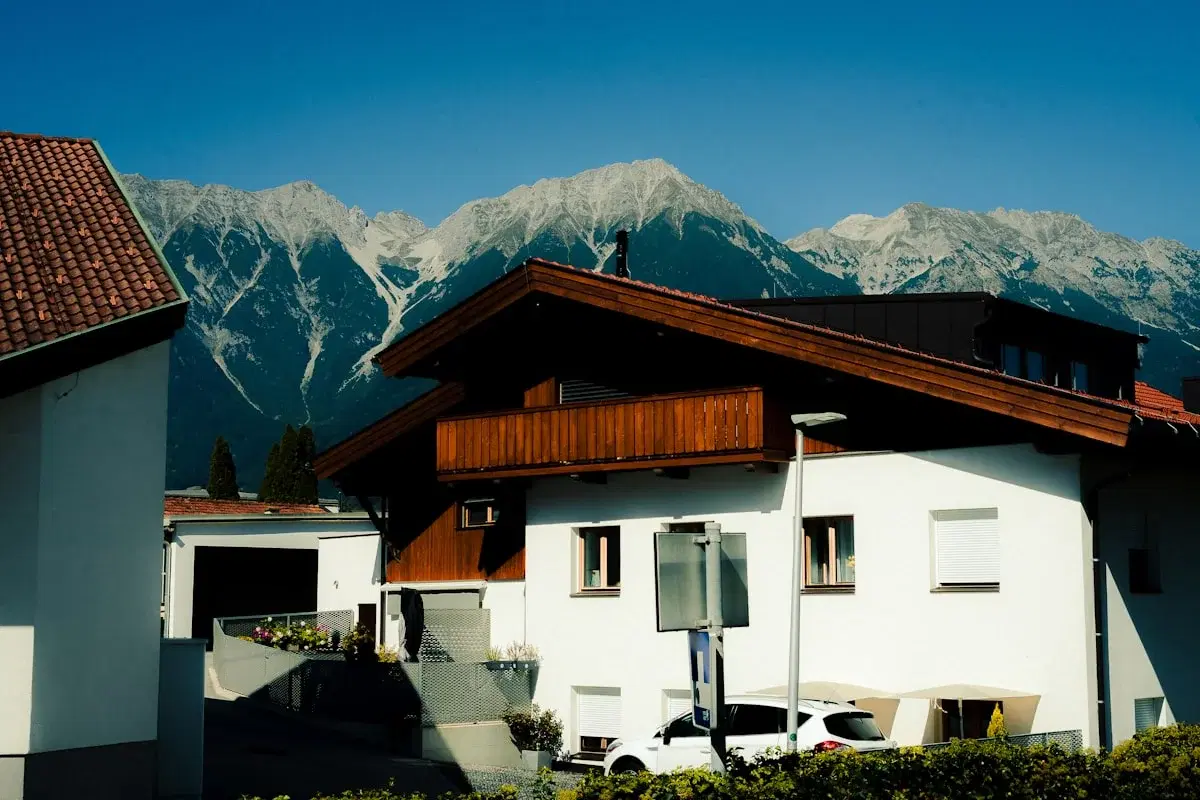
Gas network charges in Austria are rising in 2026 — but they are regulated, not optional. Three real levers for households, with official sources.

Compare 40+ Austrian gas suppliers. Switch in 2 weeks. Current prices from 6.3c/kWh. Updated May 2026.
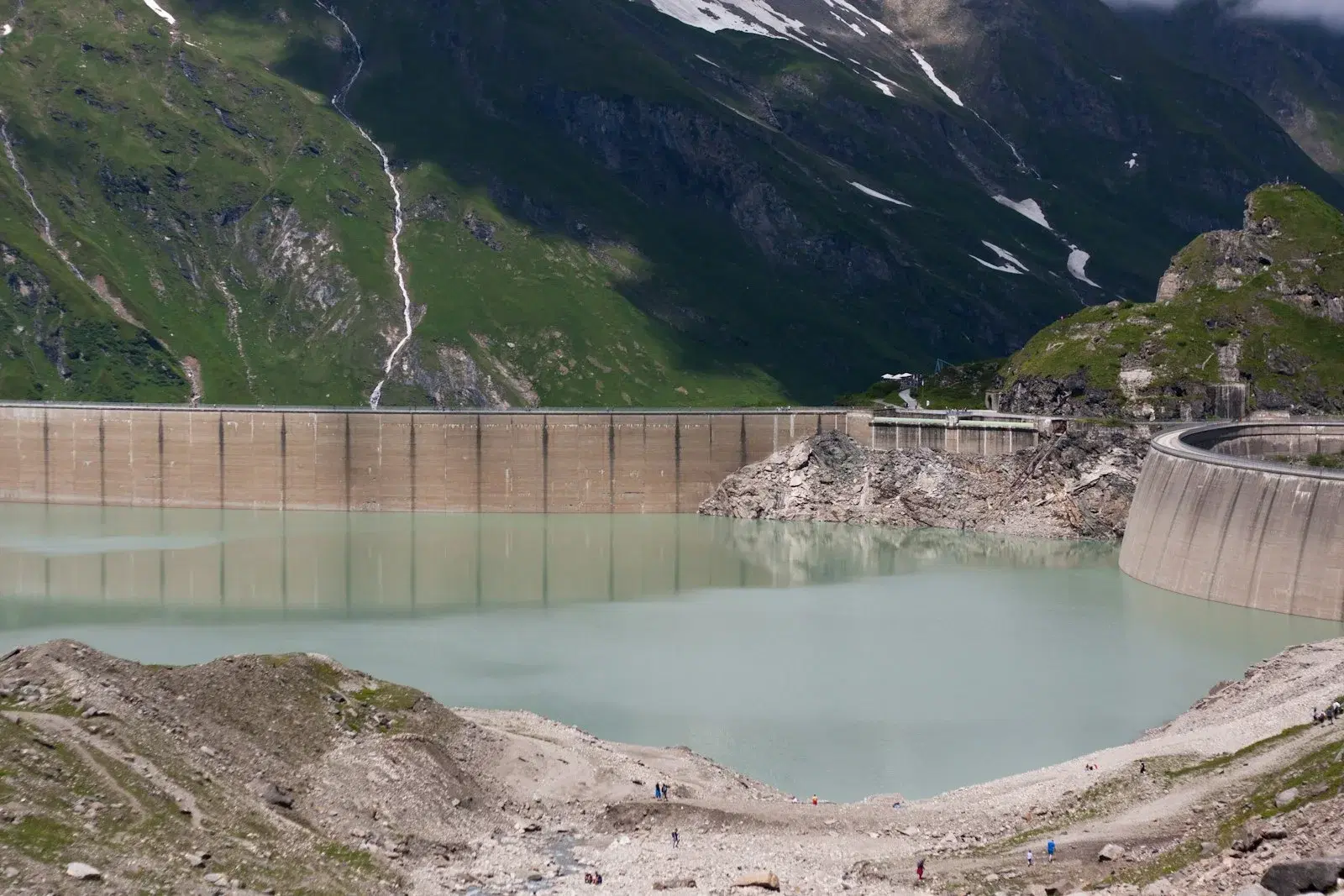
Verbund Austria tariff 2026: Österreich-Strom from 9.50 ct/kWh, dynamic tariff terms, PV feed-in rates. Compared with Tibber and aWATTar.
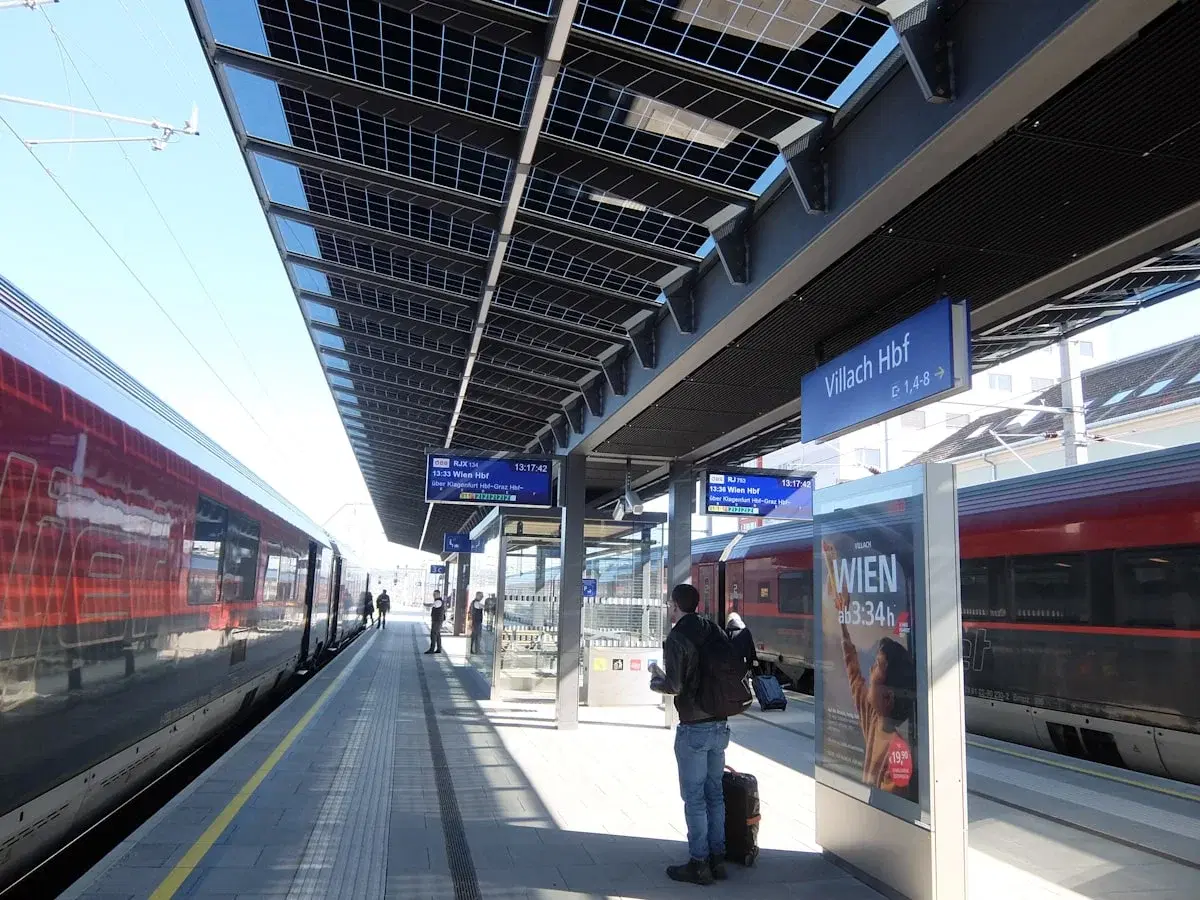
Solar savings Austria 2026: how smart meter, dynamic tariffs and self-consumption beat feed-in rates. Numbers, payback, and provider comparison.

Austria's Strom-Sozialtarif starts April 2026 at 6 c/kWh net for the first 2,900 kWh. Eligibility, application steps, and how much you save explained.
Dynamic electricity tariffs in Austria 2026: how hourly EPEX pricing works, which providers offer spot tariffs, what the new ElWG changes and who saves.

Austrian electricity grid fees 2026 by state: E-Control SNE-V 2018 (2026 amendment), Wiener Netze, Netz NÖ, Salzburg AG, Tirol and Vorarlberg explained.

Heating costs Austria 2026: heat pump vs pellets vs gas vs oil vs district heating — kWh prices, annual cost, subsidies up to €18,000 and payback.
Electricity providers Austria 2026: energy rate, base fee, price-link clause, switching bonus and contract term explained. E-Control referenced.
Enter your postal code and yearly consumption — you will see the electricity and gas offers available in your network area, with bonuses and price guarantees side by side. Non-binding and free to cancel.
Open the energy comparison at durchblicker.atFor most households, yes. With the price brake gone, gaps between cheap and default tariffs have widened again. If you have not switched for two years or more, run your tariff through the E-Control calculator once a year and you will know.
Eligibility includes recipients of minimum income (Mindestsicherung), the pension top-up Ausgleichszulage, and people exempt from the GIS broadcast fee. Applications go through the tax office; income limits and full criteria are published by the federal Ministry of Social Affairs.
Typically two to six weeks. The new supplier handles cancellation with the old one and coordinates with your grid operator. There is no interruption in supply — electricity keeps flowing while the paperwork is sorted.
A dynamic tariff follows the hourly wholesale price instead of a flat rate. You need a smart meter. It tends to pay off for households with a heat pump, an EV charger or PV plus a battery — far less so for small flats with steady, low usage.
In almost every case, yes. Whoever holds the electricity contract — usually the tenant, not the landlord — picks the supplier. The rare exception is an all-inclusive rental where utilities are billed as a flat rate by the landlord.
E-Control runs the tariff calculator at e-control.at. The authority is required by law to be neutral and lists all market-relevant suppliers. The Arbeiterkammer also publishes regular market observations on the energy sector.