Heating Costs Austria 2026: Which Heating Is Cheapest?
Heating costs Austria 2026: heat pump vs pellets vs gas vs oil vs district heating — kWh prices, annual cost, subsidies up to €18,000 and payback.
Which Heating System Is Cheapest in Austria in 2026?
Direct answer: For a typical 130 m² single-family home with average insulation, a heat pump on a heat-pump electricity tariff (~€715 per year) and a pellet boiler (~€740 per year) are the cheapest heating options in 2026, well below natural gas (~€1,180) and district heating (~€1,245). The federal "Sauber Heizen für Alle" / "Raus aus Öl und Gas" subsidy combined with state-level support reaches up to roughly €18,000 (source: klimafonds.gv.at, as of January 2026). Which option pays back best for your home depends on insulation quality, existing connections, and storage space.
Key takeaways
- Cheapest 2026 options: Heat pump and pellets at roughly €700-750 per year for a 130 m² home with average insulation
- Most expensive: District heating (~€1,245) and natural gas (~€1,180), both facing further grid-fee increases and rising CO₂ pricing
- Subsidies: Federal "Sauber Heizen für Alle" plus state programs reach up to ~€18,000 combined — apply BEFORE signing any contract
- No-cost savings: Lowering room temperature by 1 °C cuts heating energy by roughly 6 % (energyAgency.at)
- Data basis: Average wholesale and end-customer prices per E-Control and Statistics Austria, January 2026
Legal notice: All price and cost figures reflect publicly available averages from E-Control, Statistics Austria, and propellets Austria as of January 2026. Actual costs vary by region, provider, building condition, and personal consumption. Prices change. This is general information only — not individual advice.
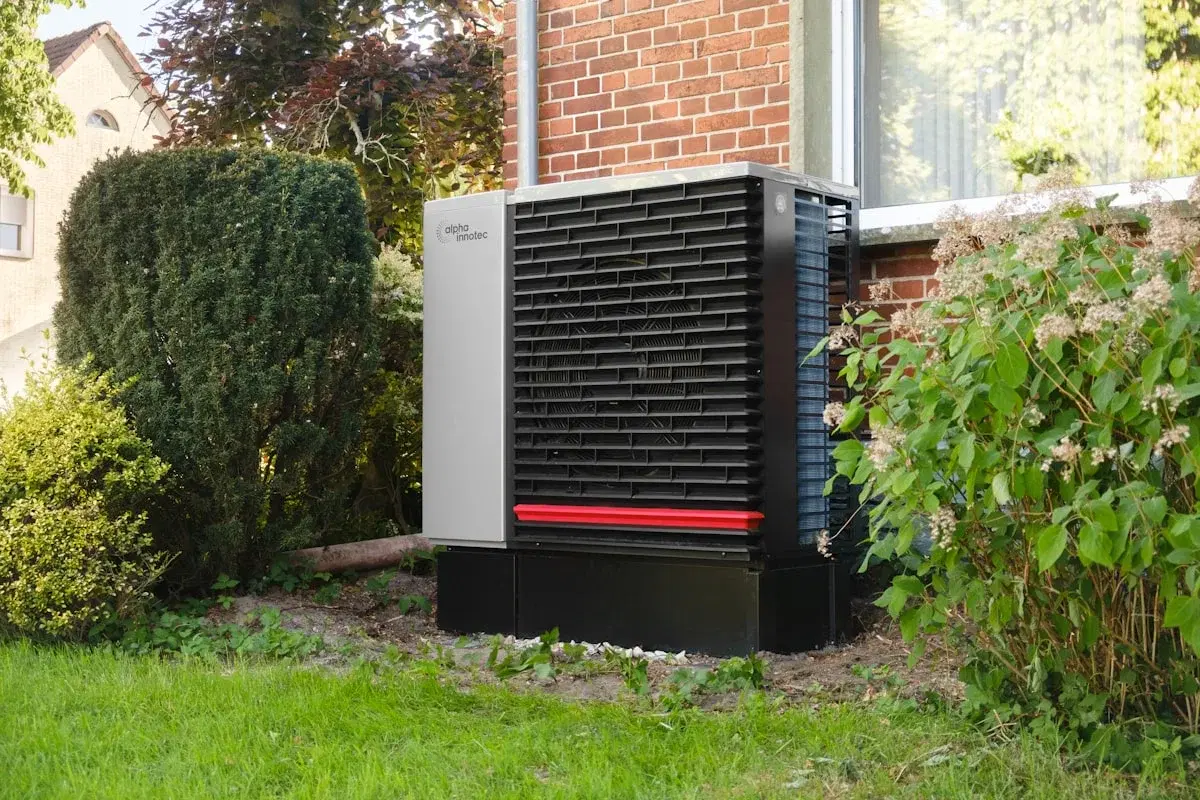
Heating is getting more expensive, and many Austrian households are asking the same question: where does a system switch actually pay off, and where is optimisation enough? This guide walks through current kWh prices, annual full costs, the 2026 federal and state subsidies, and realistic payback windows — all based on public data, no marketing promises.
2026 Heating Costs at a Glance
The figures below assume a typical Austrian single-family home with about 130 m² of living space and medium insulation (housing stock from the 1990s and 2000s). An unrenovated older building will cost noticeably more; a well-insulated low-energy home will cost considerably less.
| Heating Type | Annual Cost (approx.) | Cost per kWh |
|---|---|---|
| Heat pump (with WP tariff) | ~€715 / year | ~5 cents (electricity, WP tariff) |
| Pellet heating | ~€740 / year | ~7.4 cents per kWh |
| Heating oil | ~€1,055 / year | 10-12 cents per kWh |
| Natural gas | ~€1,180 / year | 8-12 cents per kWh |
| District heating | ~€1,245 / year | Varies by provider |
Calculation basis: Average heating demand ~100-120 kWh/m² × 130 m². Source-specific efficiency applied (heat pump SCOP ~3.5; pellet and gas boilers ~90-95 %). Sources: Statistics Austria, E-Control, propellets Austria.
Heat pumps and pellet systems are pulling ahead clearly in 2026 — both stay below €800 per year. Gas and district heating run noticeably higher: over €1,100 per year. Households still on oil or gas can save several hundred to over a thousand euros annually by switching to a renewable system, provided the building and the planned size match.
Fuel Prices in Detail
Pellets: Still the Budget Champion
Wood pellets remain Austria's cheapest heating fuel entering 2026. According to propellets Austria, the average pellet price in November 2025 was around 35-36 cents per kilogram for loose pellets in 6-tonne deliveries — equivalent to roughly 7.4 cents per kilowatt-hour including delivery.
| Pellet Metric | Current Figure (approx.) | Note |
|---|---|---|
| Price per kg | €0.35-0.36 | 6-tonne orders |
| Price per kWh | ~€0.074 | Including delivery |
| Annual consumption (Ø 130 m²) | 4-6 tonnes | Depends on insulation |
| Annual fuel cost | ~€1,500-2,150 | Fuel and delivery |
| 2025 price trend | +11 % year-on-year | Still cheapest option |
Pellets rose 11 % during 2025, but they remain far cheaper than oil or gas per kilowatt-hour. Look for ENplus-certified pellets — the standard guarantees low ash content, consistent heating value, and traceable supply.
Storage reality: pellet systems need a 5-7 tonne storage tank. Doable for houses with a basement or garage, generally impractical for city apartments.
Heating Oil: Moderate Increase but Still Pricey
Extra-light heating oil rose roughly 4 % in 2025 — moderate compared with the 2022 shock, but oil still sits well above pellets and heat pumps. An oil-heated household pays about 49 % more than a pellet household for equivalent heating output.
| Heating Oil Metric | Current Figure (approx.) | Note |
|---|---|---|
| Price per litre | €1.04-1.10 | Extra-light heating oil |
| Annual consumption (Ø 130 m²) | 2,500-3,000 litres | Varies by building |
| Annual fuel cost | ~€2,600-3,300 | Including delivery |
| Premium over pellets | ~49 % more | At equivalent heating value |
| 2025 price trend | +4 % year-on-year | Moderate increase |
Important: since 2023, new oil heating systems can no longer be installed in Austria (Erneuerbare-Wärme-Gesetz / Renewable Heating Act). Existing systems may continue operating but cannot be replaced by new oil boilers.
Natural Gas: The Climb Continues
Natural gas costs roughly 8-12 cents per kWh depending on tariff and provider (source: E-Control tariff calculator). On top of that come grid fees — and E-Control has approved significant increases for 2026. See our complementary guide on gas network costs 2026.
| Natural Gas Metric | Current Figure (approx.) | Note |
|---|---|---|
| Price per kWh | €0.08-0.12 | Tariff-dependent |
| Premium over pellets | ~124 % more | At equivalent heating value |
| 2026 grid fees | Significant rise | Per E-Control decision |
| CO₂ pricing | Rising step-wise | NEHG schedule |
For tariff comparisons, see our gas provider guide Austria 2026. For an existing gas system: short-term, switching tariffs can save a few hundred euros; medium-term, moving to a renewable system becomes more economical.
Heat Pump: Operating Costs in Austria
A heat pump's operating cost depends on the electricity price and the seasonal performance factor (SCOP, called JAZ in German). According to the AIT Austrian Institute of Technology, well-designed air-to-water heat pumps reach SCOP values of 3.5-4.5; ground-source units typically hit 4.0-5.0. With dedicated heat-pump electricity tariffs from many Austrian providers, the effective per-kWh heating cost drops well below standard household electricity.
| Heat Pump Cost | Amount (approx.) | Note |
|---|---|---|
| Household electricity per kWh | ~22-32 cents | Tariff-dependent (E-Control) |
| Heat-pump tariff (separate meter) | ~14-22 cents | Provider-dependent |
| Annual electricity use (130 m²) | ~2,500-3,500 kWh | At SCOP 3.5 |
| Annual electricity cost | ~€550-1,120 | Depending on tariff |
| SCOP range | 3.0-4.5 (air) / 4.0-5.0 (ground) | Source: AIT, Austria |
| Installation cost | €12,000-25,000 | Including installation |
A properly sized heat pump in a renovated building pays back within 7-12 years once subsidies are factored in. Poorly insulated old buildings often need flow temperatures above 55 °C, which drags down the SCOP and the economics — insulation should be checked first.
District Heating: Convenient but Regionally Expensive
District heating dominates in urban areas like Vienna, Graz, and Linz. Prices vary by provider and rose sharply 2022-2024. Per the Arbeiterkammer (AK), full-cost (consumption + standing charge + meter fee) for a 130 m² home currently averages around €1,200-1,300 per year.
Upside: no heating room, no fuel ordering, no maintenance. Downside: no provider choice — pricing is effectively monopolistic and can swing widely.
Payback and ROI When You Switch Heating Systems
When does a system switch actually pay off? The table below shows average payback periods for typical switches in Austria — with and without maximum subsidy.
| Switch From | Switch To | Annual Savings | Payback (with subsidy) |
|---|---|---|---|
| Heating oil | Pellets | ~€1,400-1,700 | 4-8 years |
| Natural gas | Pellets | ~€400-700 | 7-12 years |
| Heating oil | Heat pump | ~€1,500-2,000 | 6-10 years |
| Natural gas | Heat pump | ~€400-700 | 8-14 years |
With subsidies, the payback shortens substantially. Federal "Raus aus Öl und Gas" plus state subsidies can reduce total investment by up to ~€18,000. For low-income households, "Sauber Heizen für Alle" can cover up to 100 % of the cost in many states (klimafonds.gv.at/sauberheizen).
Note: Actual savings depend on insulation quality, heating behaviour, chosen system, and regional prices. A professional energy assessment or your state energy advisory office is the right starting point before committing.
2026 Subsidies for Switching to Cleaner Heating
The Austrian federal government and all nine states continue to support the switch to climate-friendly heating. The main federal channel runs through the Klima- und Energiefonds with "Sauber Heizen für Alle" and "Raus aus Öl und Gas" (klimafonds.gv.at). State programs stack on top in most cases.
Federal Subsidies (as of January 2026)
| Subsidy | Maximum Amount | Eligibility |
|---|---|---|
| "Raus aus Öl und Gas" base | up to ~€8,500 | Replace fossil heating with renewable |
| Bonus add-on | 30 % of cost, max ~€3,500 | Depending on program and state |
| "Sauber Heizen für Alle" | up to 100 % of cost | Low-income households |
| Combined federal + state | up to ~€18,000 | Depending on federal state |
Important: The subsidy application must be submitted BEFORE awarding the installation contract. Amounts, deadlines and conditions change. Check current terms at umweltfoerderung.at.
State-Level Subsidies (Stackable)
Each Austrian state runs its own programs. In most cases they can be combined with the federal subsidy.
| Federal State | Additional Subsidy | Info Source |
|---|---|---|
| Vienna | Wohnbauförderung + "Wien checkt's" | wien.gv.at |
| Lower Austria | Heating switch NÖ | noe.gv.at |
| Upper Austria | OÖ heating switch subsidy | land-oberoesterreich.gv.at |
| Styria | Housing refurbishment subsidy | wohnbau.steiermark.at |
| Carinthia | Heating subsidy Carinthia | ktn.gv.at |
| Salzburg | "Raus aus dem Öl" Salzburg | salzburg.gv.at |
| Tyrol | Tyrolean energy subsidy | tirol.gv.at |
| Vorarlberg | Vorarlberg housing subsidy | vorarlberg.at |
| Burgenland | Burgenland housing subsidy | burgenland.at |
Tip: Before any commitment, check current subsidy status with your state office and at umweltfoerderung.at. The free energy advisory service in your state is worth using before any major decision.
Cut Your Heating Costs Now — Without Replacing the System
Not ready for a new heating system? Real savings are still on the table. According to the Austrian Energy Agency (AEA), most households do not fully use the savings potential. The measures below cost little or nothing.
Immediate Actions (Do Today)
| Action | Potential Saving | Effort |
|---|---|---|
| Lower room temperature by 1 °C | ~6 % heating energy | Immediate |
| Burst ventilation instead of tilt | Up to 10 % | Daily habit |
| Bleed radiators | Better efficiency | 30 min, once per season |
| Keep furniture clear of radiators | Better heat distribution | Rearrange once |
| Lower hot water temperature | Noticeable | Thermostat tweak |
| Activate night setback | Several percent | Program timer |
Lower the thermostat by 1 °C and you cut roughly 6 % from your annual heating bill. For a household paying €1,200 on gas, that is about €72 a year back in your pocket. It does not sound dramatic until you stack it across years.
Burst ventilation means opening windows fully for 8-10 minutes rather than leaving them tilted. The air exchanges faster, humidity goes out, and the walls and furniture stay warm — so your heating works less hard to recover.
Medium-Term Improvements
- Hydraulic balancing: A professional sets the heating curve and flow rates correctly — energy savings of 5-15 %, often subsidised by state programs
- Programmable thermostat valves: Enable automatic night setback and room-based control
- Seal doors and windows: Weatherstripping and brush seals are simple DIY measures that pay back fast
- Close roller shutters at night: Less morning reheating needed
- Use free state energy advisory services: Every Austrian state offers free or subsidised on-site consultation
Fuel and Tariff Comparison
- Pellets: Compare spring prices, regional suppliers, and consider joint neighbourhood orders
- Heating oil: Outside heating season often cheaper
- Natural gas: Compare tariffs via the E-Control tariff calculator
- Electricity (for heat pumps): Get a dedicated heat-pump tariff — see electricity providers Austria 2026
Which Heating System Fits Your Home?
System choice depends on building type, insulation, existing infrastructure, and budget.
| System | Best For | Key Consideration |
|---|---|---|
| Heat pump | Well-insulated buildings, new builds, deep renovations | High upfront cost, lowest long-term running cost |
| Pellet heating | Detached houses with 5-7 t storage space | Storage tank required, fuel delivery needed |
| District heating | Urban homes with existing connection | No provider choice, price risk |
| Natural gas | Bridge only on existing systems | Fossil, CO₂ pricing keeps rising |
If you are planning a larger investment, our credit guide for Austria shows how renovation and heating loans are structured. For electricity optimisation, see our dynamic electricity tariffs 2026 guide.
Heating-Related Affiliate Disclosure
Advertising notice: CheckEverything.at is an independent guide platform. Some links on this page are partner links. If you sign up for an electricity or gas tariff via a partner link, we receive a commission from the provider at no additional cost to you. Our content remains editorially independent.
If you want to switch electricity or gas tariffs for an existing or planned heating system, the comparison tool at durchblicker.at covers the relevant Austrian providers.
Frequently Asked Questions
Is switching heating systems financially worth it?
For most households running oil or gas, switching to pellets or a heat pump saves roughly €400-1,700 per year (130 m² home, average insulation). With federal and state subsidies, payback typically lands in 4-12 years. A personalised assessment from an energy advisor or qualified installer is the right next step.
What does the 2035 fossil heating ban mean for me?
Existing systems may keep running. New installations of fossil heating are increasingly restricted under the Renewable Heating Act (Erneuerbare-Wärme-Gesetz). If your system is aging, planning the switch now lets you time it for summer installation, secure subsidies, and start saving sooner.
Are pellets really CO₂-neutral?
Pellets from sustainably managed forests are considered near CO₂-neutral: the carbon released when burning equals what the tree absorbed while growing. Look for ENplus certification — it guarantees low ash content, consistent quality, and a traceable supply chain. Austrian pellets come largely from regional forestry, keeping transport emissions low.
How much does a new pellet heating system cost installed?
Complete pellet installation (boiler, storage tank, controls, commissioning) typically costs €15,000-25,000 before subsidies. With combined federal and state support potentially reaching €18,000, your net cost can be substantially lower. Get at least three comparable installer quotes.
Can I keep using my existing gas heating?
Existing gas heating systems can continue operating in 2026. When you replace them, the Renewable Heating Act rules apply — installing a new fossil heating system is no longer subsidy-eligible and is restricted in many states.
How high are heating costs for a typical 130 m² home in Austria?
Annual heating costs for a typical 130 m² single-family home range from ~€715 (heat pump on a heat-pump tariff) to ~€1,245 (district heating) in 2026. Pellets (~€740) and heat pumps are the cheapest options.
What subsidies exist for switching heating in 2026?
The Klima- und Energiefonds runs "Raus aus Öl und Gas" with up to ~€8,500 plus add-on bonuses. "Sauber Heizen für Alle" covers up to 100 % of cost for low-income households. With state subsidies stacked on top, total support reaches up to ~€18,000. Applications go through umweltfoerderung.at — BEFORE awarding the installation contract.
What seasonal performance factor (SCOP) should a heat pump achieve?
According to AIT, good air-to-water heat pumps achieve SCOP 3.5-4.5; ground-source units typically 4.0-5.0. SCOP below 3.0 indicates problems: poor insulation, oversized flow temperatures, or wrong sizing. Subsidy-eligible systems usually have to meet minimum SCOP thresholds.
Checklist: Optimise Your 2026 Heating Costs
- Identify current annual consumption and cost (last annual bill)
- Compare fuel prices and electricity tariffs via the E-Control calculator
- Apply immediate savings actions (temperature, burst ventilation, bleed radiators)
- Use the free state energy advisory service
- Assess building condition — fix insulation BEFORE switching heating
- Research subsidies (federal + state), submit application BEFORE signing a contract
- Get three comparable quotes from qualified installers
- Sign a dedicated heat-pump electricity tariff if installing a heat pump
Bottom Line
Heating costs in Austria for winter 2026 make a clear case for switching:
- Heat pumps and pellets are the cheapest heating options — both under €800 per year (130 m² home, average insulation)
- Gas and district heating stay clearly more expensive — over €1,100 per year, with grid-fee and CO₂ pricing increases ahead
- Subsidies up to ~€18,000 make a switch to renewable heating financially practical for many households
- Immediate actions like 1 °C lower temperature and burst ventilation save several hundred euros without spending anything
A heating switch is a significant decision. Start with insulation, then research subsidies, then compare installer quotes. Under 2026 subsidy conditions, switching from oil or gas to pellets or a heat pump pays back in 4-12 years for most households.
As of: 27 May 2026 (price basis January 2026). All figures are averages and may vary by region and personal consumption. This guide is general information, not individual advice. Check current prices with your supplier, subsidy details with your state office and umweltfoerderung.at. No guarantee.
CheckEverything.at Editorial Team
Editorial Team
The CheckEverything.at editorial team produces independent guides on insurance, finance, energy and mobility in Austria. The content draws on Austrian Tier-1 sources such as AK, FMA, OeNB and E-Control.
More about the editorial team →Disclaimer and Legal Information
No Financial or Legal Advice: The information provided on this website is for general information purposes only and does not constitute financial, legal, or tax advice. It does not replace individual consultation with a professional expert.
No Warranty for Accuracy and Timeliness: Despite careful research, we cannot guarantee the completeness, accuracy, and timeliness of the information. Prices, terms, and services may change at any time. Please verify all information directly with the respective provider.
No Recommendations: The mentioned products, services, or providers do not constitute a personal recommendation. The selection was made for informational purposes. Every decision is your own responsibility.
Liability Disclaimer: We assume no liability for damages or losses that could arise from the use of the information provided. This applies in particular to financial decisions based on this information.
External Links: For content of external websites we link to, their operators are exclusively responsible.
Information as of: May 27, 2026. All information without warranty. Changes and errors excepted.
Related Articles
Electricity Grid Fees Austria 2027 | CheckEverything.at
Electricity grid fees Austria 2027: a new capacity charge is planned. E-Control examples show who pays more, who saves, and how to cut your energy price.
Switch Electricity Provider Austria 2026: Step-by-Step
Switching electricity provider in Austria is free, takes max three weeks by law, and you keep power throughout. The 2026 guide with sources.

Electricity Price Cap Ended: What Applies in Austria in 2026
Austria's Strompreisbremse expired 31 December 2024. What does it mean for households in 2026? Consequences, new grid fees and next steps explained.
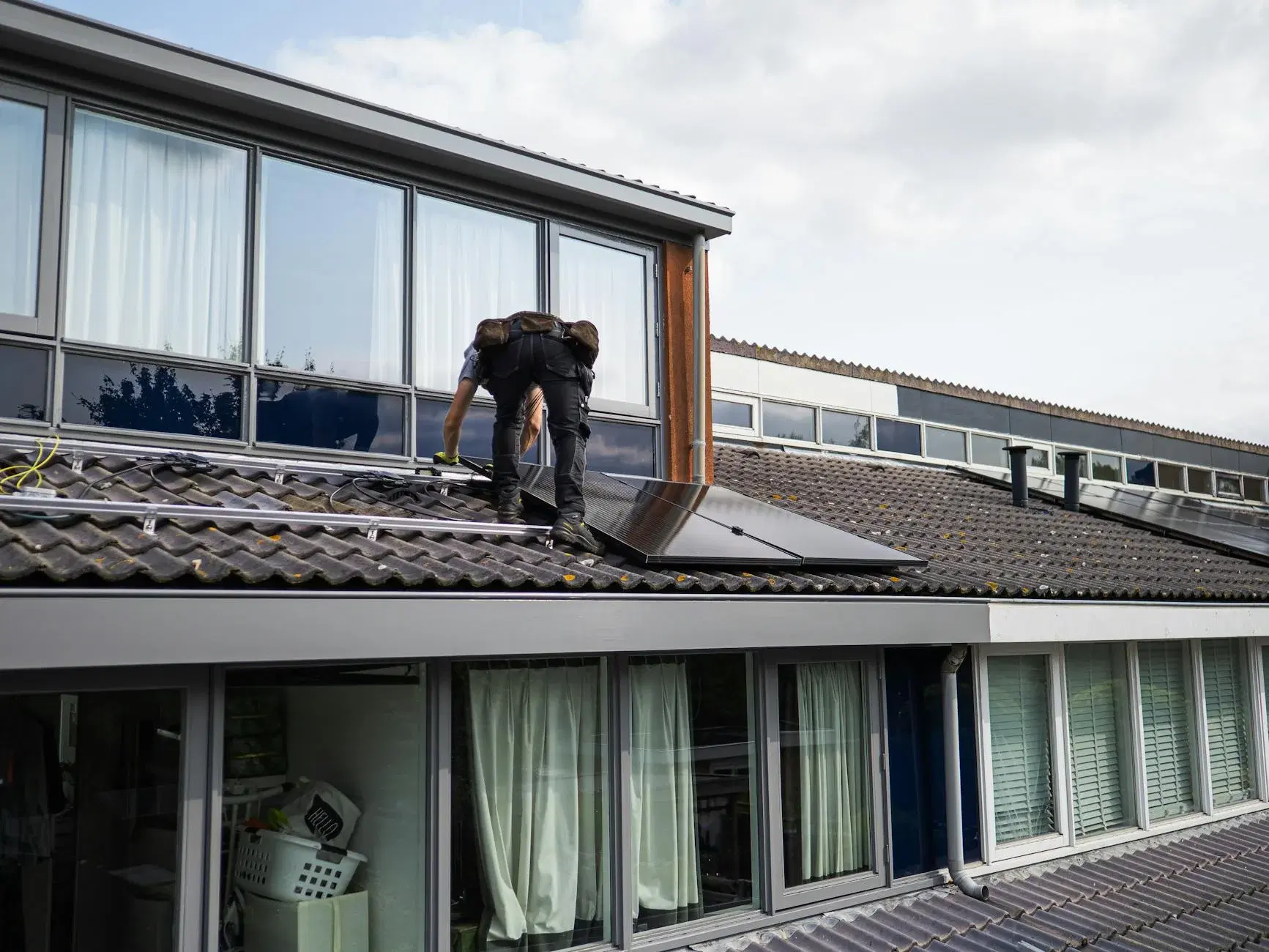
Solar Panel & Wallbox Subsidies Austria 2026
PV, battery storage and wallbox subsidies in Austria 2026: current EAG rates, KPC wallbox status, bonuses, state grants — with official sources.
Switch Electricity Tariffs Austria 2026: Avoid Bonus Traps
How to compare electricity tariffs in Austria 2026: spot bonus traps, check price guarantees, calculate true total cost. Practical guide with sources.
Gas Network Costs Austria 2026: What You Can Do
Gas network charges in Austria are rising in 2026 — but they are regulated, not optional. Three real levers for households, with official sources.