Mobile Phone Plans Austria 2026: Expat & Resident Guide
Mobile phone plans in Austria 2026 explained for residents, expats and international students. Networks, prices, eSIM and how to switch. May 2026 update.
Advertising notice and pricing disclaimer: This guide links to independent comparison portals and providers. If a link is later marked as an affiliate link, we may receive a commission for completed contracts at no extra cost to you. All tariff prices are current as of May 2026 and may change at short notice. The latest conditions are always on the provider's own page.
Last updated: 26 May 2026 · 12 min read
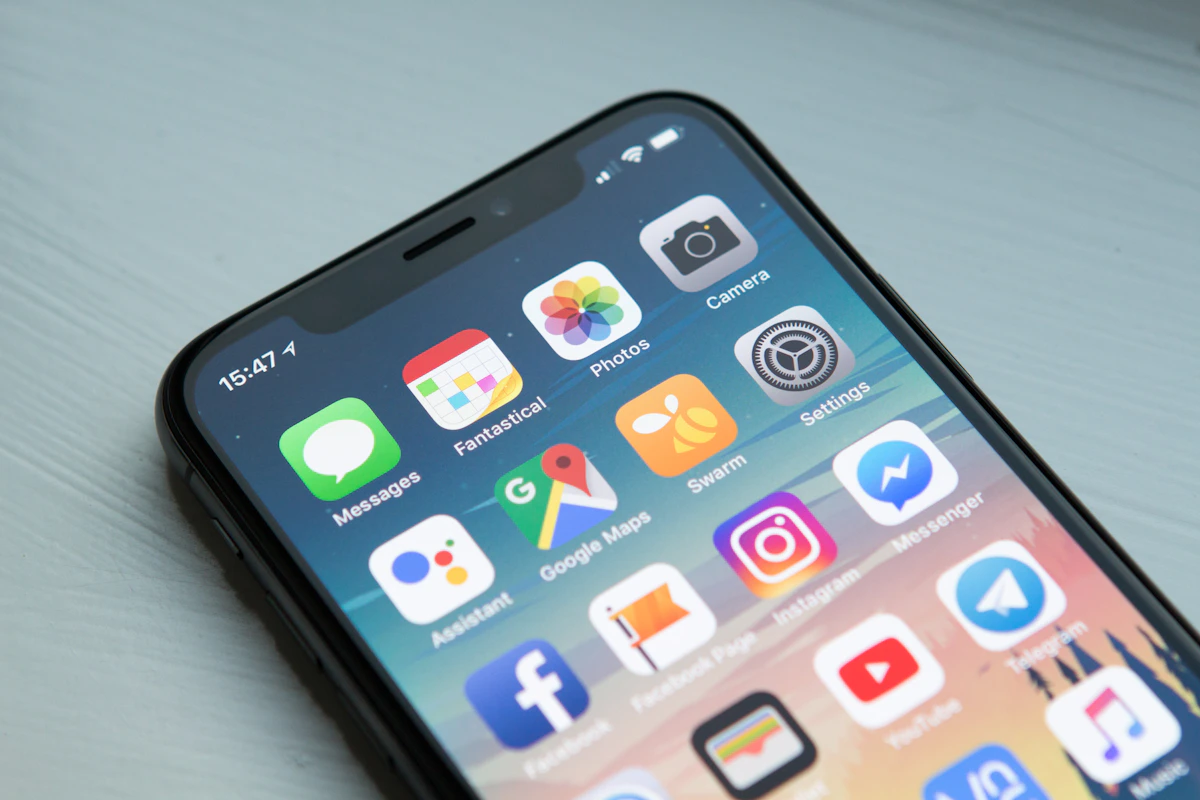
If you live in Austria, just moved here, or are studying abroad in Vienna, Graz, Innsbruck or Salzburg, you have access to one of the more competitive mobile markets in Europe. Three networks, around a dozen discount providers and over 300 tariffs sit between you and a sensibly priced contract. The catch: it is not always obvious which plan is right for a resident, an expat with a Meldezettel or a tourist on a four-week trip. This guide walks through how the Austrian mobile market actually works in 2026, what plans look like at each level, and how to set up a SIM if you are new to the country.
Key Takeaways Austria's mobile market runs on three networks—A1, Magenta, and Drei—shared by discount brands that can be 30–60% cheaper than going direct. Most plans are month-to-month. The biggest mistake residents make is staying on an old tariff; the biggest mistake newcomers make is buying an airport SIM. For most people, a discount provider on the A1 or Drei network at €5.90–€14.90 per month is the right starting point.
The best mobile plan in Austria for most residents and expats is a discount provider SIM on the A1 or Drei network, priced between €5.90 and €14.90 per month. Network operators charge significantly more for essentially the same coverage. If you want a quick answer: start with HoT, YESSS, or spusu and check the AK-Handytarif-Rechner before signing anything.
Quick orientation
- Three networks, many brands. A1, Magenta and Drei (also called "3") run the physical networks. Discount brands like HoT, spusu, YESSS, bob and Lidl Connect rent capacity on these networks and are often significantly cheaper.
- Entry-level price range. Solid discount plans with 10 to 60 GB of data start around €5.90 per month. Premium unlimited 5G plans from network operators run higher depending on contract terms.
- Most plans run month-to-month. Genuine 24-month contracts mostly appear when you take a smartphone bundled with the plan.
- EU roaming included. "Roam-Like-At-Home" applies in 27 EU countries plus Norway, Iceland and Liechtenstein. Outside the EU (Switzerland, UK, USA), check the provider's roaming rates before you travel.
- Switching takes 3 to 5 working days. Number portability is regulated and capped at €19. eSIM activation is the fastest path if your phone supports it.
If you also need a current account or are reviewing your monthly costs in Austria more broadly, the cost of living guide for Austria 2026 puts mobile spending in context against rent, groceries and energy. Pure price-shoppers can also jump straight to our dedicated overview of the cheapest mobile plans in Austria 2026 for the absolute lowest entry tariffs.
How the Austrian mobile market is structured
There are exactly three mobile networks in Austria. Every other brand on the market runs on one of them under a wholesale arrangement. That structure matters because the network you sit on determines coverage, speed and indoor reception more than the brand on the SIM.
| Brand | Type | Network used |
|---|---|---|
| A1 | Network operator | A1 |
| bob, YESSS, Lidl Connect, Red Bull Mobile | Discount / MVNO | A1 |
| Magenta, Hi! Magenta | Network operator | Magenta (Telekom Austria) |
| Drei | Network operator | Drei (Hutchison Drei Austria) |
| HoT (Hofer Telekom), spusu, eety | Discount / MVNO | Drei |
Discount providers usually charge 30 to 60 percent less than the network operator they ride on. Trade-offs are usually not in coverage but in extras: fewer roaming destinations outside the EU, smaller customer-service teams, fewer physical stores, no discount on flagship smartphones.
Network coverage in 2026
The Austrian regulator RTR tracks coverage. The three networks all sit at roughly 97 to 99 percent population coverage on 4G/LTE. The 5G picture is uneven: A1 has rolled out the most, Magenta is solid in cities, Drei is catching up.
| Network | 4G/LTE | 5G | Practical note |
|---|---|---|---|
| A1 | ~99 % | extensive | Premium operator, deepest rural reach |
| Magenta | ~98 % | cities & motorways | Good fixed-line bundles for households |
| Drei | ~97 % | cities, expanding | Most aggressive on price |
In Vienna, Graz, Linz, Salzburg, Innsbruck or Klagenfurt, the differences between networks are marginal for most users. Outside the cities, especially in alpine areas, it pays to ask a neighbour or check the provider's own coverage map for your address before signing up.
Setting up a SIM as a new arrival in Austria
If you have just moved to Austria, the smoothest path depends on your immigration status and how long you plan to stay. Three common situations:
You have a Meldezettel and an Austrian bank account. You can sign up for any contract or SIM-only plan online or in any provider shop. Most operators verify identity through a passport or national ID and an IBAN for direct debit. Standard contracts open the most options, including discounted device bundles.
You are still settling in (no Meldezettel yet, or no Austrian IBAN). A prepaid plan ("Wertkarte") is the practical choice. A1 B.free, HoT smart, spusu and YESSS prepaid SIMs can be bought in supermarkets, kiosks and provider shops without an Austrian bank account. You top up via voucher, credit card or app. Identity registration is mandatory in Austria since 2019, so bring a passport or national ID even for prepaid.
You are a tourist or short-term visitor (under four weeks). Look at prepaid tourist SIMs, especially A1's eSIM travel packages or Lyca Mobile's prepaid offerings. Activation is fast and there is no need to set up Austrian banking. eSIM is particularly convenient if your phone supports it.
A few practical notes that catch newcomers off guard:
- Identity registration is universal. Anonymous prepaid SIMs were phased out in 2019. Even cheap supermarket SIMs require ID verification at the point of activation.
- Phone numbers stay with you. Once you have an Austrian number, you can move it between any operator using the regulated portability process. The new operator can charge a maximum of €19 to bring it across.
- Internet access and calls are usually together. Most plans include voice minutes, SMS and data in a single price. SIM-only plans for "data only" exist (mostly for tablets, hotspots and laptops with eSIM) but are a niche.
Plans by usage profile
The cheapest mobile plan is not always the right plan. The wiser starting point is your real usage. The Austrian market splits cleanly into four user profiles.
Light users
You make a few calls a day, send WhatsApp messages, check maps and email. Streaming on the go is rare. 5 to 15 GB of data is plenty.
- HoT smart: from €5.90 per month, 10 GB LTE on the Drei network, no contract, per-minute billing for calls
- YESSS SIMple S: €7.99 per month, 10 GB, 1,000 minutes/SMS, A1 network
- A1 B.free S (prepaid): €9.90 every 4 weeks, 50 GB, generous calls and SMS, A1 network
- bob, spusu entry plans: €6 to €10 depending on current promotions
YESSS was running a "6 months free" promotion ending around 30 April 2026. Such promos cycle quickly, so always read the fine print on the provider's page before signing up.
Standard users
You stream Spotify on your commute, watch the occasional video, use maps frequently and tether your laptop sometimes. 30 to 100 GB is realistic.
- HoT fix: €9.90 per month, 60 GB LTE, 1,000 minutes/SMS
- Drei up Pure: €9.90 per month, 55 GB on the Drei network, 1,000 minutes/SMS
- YESSS SIMple M: €9.99 per month, 100 GB, 1,500 minutes/SMS
- A1 B.free M: €14.90 every 4 weeks, 60 GB, 2,000 minutes/SMS
The price gap between discounters and the three operators is widest at this tier. A comparable plan directly from A1 or Magenta tends to cost twice as much or more.
Heavy users and streamers
You use your phone as your main internet device, stream HD or 4K video on the go, and rely on hotspot tethering. Unlimited 5G plans are the right category.
- HoT fix MEGA: €17.90 per month, 100 GB on 5G, 1,000 minutes/SMS
- YESSS SIMple L 5G: €14.99 per month, 150 GB, 5G capable
- YESSS SIMple XL 5G: €19.99 per month, 200 GB, 5G
- Drei up Smart: €14.90 per month, 70 GB on 5G, 1,000 minutes/SMS
- Drei up Unlimited+: €24.90 per month (cheaper for additional SIMs in the same household), unlimited data and minutes on 5G
A genuinely unlimited 5G plan from a network operator typically lands above €25 per month. For most heavy users, a discounter plan with 100 to 200 GB of data is functionally identical at lower cost.
Families and households
Family plans and multi-SIM bundles work best when two or more people share one provider. A1, Magenta and Drei each offer multi-line discounts.
A simple rule: if two adults need broadly similar plans, two discount SIMs (e.g. 2 × €9.90) often beat a single family bundle from a network operator. If children with their own smartphones come into play and you want a single bill and one point of contact, a network operator's family plan can be a clean choice. If you already have fixed-line internet from A1, Magenta or Drei, check the in-house combination discount before signing a separate mobile contract.
No-contract plans: the actual default
"No contract" or "ohne Bindung" sounds like a marketing line but is in practice the standard in Austria for SIM-only plans. Discount providers and most SIM-only plans from the operators can be cancelled month-to-month. Genuine binding contracts mostly appear in two situations:
- A plan with a smartphone. Financing an iPhone or Android device through monthly instalments usually means a 24-month commitment.
- Subsidised promo plans. Some operators offer a steep monthly price in exchange for 12 months of binding. Read the renewal price.
Activation fees of €19 to €30 are common and easy to overlook. Always include them in your comparison.
5G in Austria: how much does it really matter?
5G is real in cities, on motorways and in larger towns. In rural areas it is still patchy. Peak speeds jump from 50 to 200 Mbit/s on LTE to 300 to 1,000 Mbit/s on 5G. In daily use, most people feel 5G in three places:
- Hotspot instead of fixed-line internet. Useful for second homes, short-term rentals and people who do not want a Festnetz contract. For a wider broadband view, see the internet plans guide for Austria 2026.
- Commuting on rails and motorways. When LTE cells are full at peak times, 5G holds up better.
- Stadiums and events. 5G coverage was rolled out early at high-density venues so that a single mast can serve far more devices simultaneously.
A 5G tariff is only useful with a 5G-capable smartphone. Phones from before late 2019 are 4G LTE only and will not benefit.
Switching providers in Austria
Switching is regulated and works smoothly. Three to five working days from order to active SIM is normal, often with the same number.
- Check your current contract. Discount plans are usually month-to-month. Long contracts have a notice period of one to three months at the end of the binding period.
- Choose your new plan. Look at data volume, EU roaming, 5G availability and one-off fees.
- Order with number portability. Provide your old phone number and old provider when you sign up. The new provider takes care of the rest. Maximum fee: €19.
- Cancel the old contract. Often automatic, but a written cancellation by registered mail is the safer route.
- Activate the SIM or eSIM. Physical SIMs arrive by post. eSIM is activated by QR code, usually within five minutes.
Independent sources for current tariffs
The mobile market shifts month to month. Three Austrian sources publish neutral information:
- AK-Handytarif-Rechner: a free calculator from the Bundesarbeiterkammer (the Austrian Chamber of Labour). Enter your usage profile and it returns the cheapest matching tariffs on the market. Independent, ad-free, regularly updated.
- durchblicker.at Mobile Tariffs: a privately run tariff portal listing 30+ providers. Filters by data volume, minutes, contract length.
- tarife.at: editorial portal with deeper provider tests and articles, including a dedicated guide for international students and expats.
For network coverage at your specific address, the operator's own coverage map is the most accurate reference.
Plan with smartphone vs separate purchase
Worked example with a flagship iPhone (list price around €899 in Austrian retail). Option A: 24-month plan with the phone bundled at a network operator, around €59.90 per month plus €99 upfront. Option B: buy the phone outright and pair with a discounter plan at €9.90 per month.
24-month total comparison
- Option A (plan with phone): €99 upfront + 24 × €59.90 = ~€1,537
- Option B (separate): €899 phone + 24 × €9.90 = ~€1,137
- Difference: roughly €400 over 24 months in favour of buying separately
Illustrative example based on list prices, May 2026. Actual conditions vary by provider, current promotion and device model.
The bundled option can still make sense if the operator runs a heavily subsidised device promotion, or if cash flow matters more than the €400 saving over two years. If you are planning to finance the phone with a personal loan, compare the effective interest rate with the bundled markup before deciding. Our credit guide for Austria 2026 walks through how Austrian consumer loans actually work.
Frequently asked questions
Which Austrian network has the best coverage?
Independent tests have placed A1 first for years on overall coverage and 5G rollout. Magenta and Drei are nearly identical to A1 in cities. In rural areas, especially in mountainous regions, the differences become more visible. The fastest answer for your situation is to check the operator's coverage map for your address.
Can I get a SIM card in Austria as a foreigner?
Yes. Prepaid SIMs are available without a Meldezettel or Austrian bank account from supermarkets, kiosks and provider shops. You will need to show a passport or national ID for the legally required identity verification. Long-term contracts usually require an Austrian residence registration and a SEPA-capable bank account.
Do mobile plans in Austria include EU roaming?
Yes. Since 2017, "Roam-Like-At-Home" applies across the 27 EU countries plus Norway, Iceland and Liechtenstein. Operators may apply fair-use limits, particularly on data, for prolonged stays abroad. Outside the EU, including Switzerland, the UK and the USA, roaming is not free and rates differ widely between providers.
Are prepaid plans still available in Austria?
Yes. Most discount brands and the three operators offer prepaid plans. A1 B.free, HoT smart, YESSS prepaid and Lidl Connect are common starting points. Anonymous prepaid SIMs were phased out in 2019, so identity verification is now mandatory at activation.
How do I keep my Austrian phone number when I switch providers?
Use number portability ("Rufnummernmitnahme"). Give your old number and old provider to the new operator at sign-up. The portability process is regulated and the maximum fee the new operator can charge is €19. Switching takes 3 to 5 working days, sometimes longer for complex contracts.
Do I need 5G?
For most users, no. A good 4G/LTE plan handles streaming, video calls and maps. 5G is helpful if you tether a laptop or hotspot heavily, live in a flat with poor fixed-line internet, or commute on busy lines where LTE cells are congested. A 5G-capable phone is required.
What about students and youth tariffs?
All three operators offer youth or student plans. Drei "up Under27" is available to under-27s and includes unlimited 5G data at €14.90 per month. Magenta and A1 have similar age-restricted plans. Discount providers like spusu, HoT and YESSS often offer comparable value without an age restriction.
Can I use my Austrian SIM in Switzerland?
Yes, but Swiss roaming is not covered by EU "Roam-Like-At-Home" rules. Costs vary widely and can be expensive without a roaming add-on or a Swiss prepaid SIM. Always check the rates with your provider before crossing the border.
Conclusion: how to choose
Most long-term residents in Austria pay too much for mobile because their plan is older than three years and the market has moved on. New arrivals tend to overspend in the opposite direction, picking convenient airport SIMs that look cheap at first but cost more month over month than a proper Austrian plan.
The path to a sensible plan in 2026:
- Estimate your usage. A look at your last bill or the data dashboard in your phone settings is usually enough.
- Check coverage at your real addresses. Home, office, and any place you spend more than five hours a week.
- Pick a discount provider unless you specifically need an operator extra. Discounters use the same antennas at lower prices.
- Question any 24-month bundle. A separate device plus a discount SIM is often cheaper over two years than the same phone in a contract.
- Verify the first bill. Especially for promo plans, check that the rate matches what you ordered.
For a personalised recommendation, the AK-Handytarif-Rechner from the Bundesarbeiterkammer remains the most neutral starting point. For broader cost-of-living planning in Austria, the cost of living guide 2026 puts mobile spending alongside rent, energy and transport, and the health insurance guide for Austria 2026 covers another monthly cost most newcomers underestimate.
Sources and dates: Provider sites (a1.net, magenta.at, drei.at, hot.at, yesss.at), RTR mobile market reports, AK-Handytarif-Rechner. All prices and data allowances are as of May 2026 and rounded. Actual conditions, promotional pricing and speeds vary by provider, location and time. We update this guide regularly. Editorial date for this version: 26 May 2026. This article is informational and does not replace individual advice from a licensed broker or independent advisor.
CheckEverything.at Editorial Team
Editorial Team
The CheckEverything.at editorial team produces independent guides on insurance, finance, energy and mobility in Austria. The content draws on Austrian Tier-1 sources such as AK, FMA, OeNB and E-Control.
More about the editorial team →Disclaimer and Legal Information
No Financial or Legal Advice: The information provided on this website is for general information purposes only and does not constitute financial, legal, or tax advice. It does not replace individual consultation with a professional expert.
No Warranty for Accuracy and Timeliness: Despite careful research, we cannot guarantee the completeness, accuracy, and timeliness of the information. Prices, terms, and services may change at any time. Please verify all information directly with the respective provider.
No Recommendations: The mentioned products, services, or providers do not constitute a personal recommendation. The selection was made for informational purposes. Every decision is your own responsibility.
Liability Disclaimer: We assume no liability for damages or losses that could arise from the use of the information provided. This applies in particular to financial decisions based on this information.
External Links: For content of external websites we link to, their operators are exclusively responsible.
Information as of: February 27, 2026. All information without warranty. Changes and errors excepted.
Related Articles

eSIM Austria 2026: Activation, Phones & Prepaid
eSIM Austria: what an eSIM is, which phones support it, how activation works, and where to get a prepaid eSIM with no contract in Austria.
Internet in Austria 2026: Expat Guide to Providers
Internet in Austria for expats and residents 2026. A1, Magenta, Drei and regional providers. Speeds, prices, English support, no-contract options.
Cheapest Mobile Plan Austria 2026: Verified Tariffs
Cheapest mobile plans in Austria 2026: HoT, YESSS, A1 verified April. From €1.90 prepaid to €14.99 with 5G. Real prices for expats and locals.